Are Solar Panels Worth It in 2026? An Honest Cost, Payback & Red-Flag Breakdown

"Solar is one of the highest-yielding home upgrades available when your monthly electric bill exceeds $125 and you own an unshaded roof—but it is a terrible investment if you buy an overpriced dealer-fee loan." — 2026 Market Analysis by Juliet D.
The Short Answer: When Solar Is (and Isn't) Worth It
Homeowners searching "are solar panels worth it in 2026" usually encounter either aggressive sales pitches promising "free electricity" or outdated forums claiming solar takes 25 years to pay off. The truth comes down to four measurable numbers: your local utility rate per kWh, your roof's sun exposure, your net price per watt after incentives, and how you finance the system.
| Homeowner Profile | Strong ROI (6–8 Yr Payback) | Poor Fit (Skip or Delay) |
|---|---|---|
| Monthly Electric Bill | $130 – $450+ per month | Under $85 per month |
| Roof Age & Condition | Under 12 years old (or metal/tile) | 18+ year asphalt shingle needing replacement soon |
| Local Utility Rate | $0.15/kWh to $0.45/kWh+ | Under $0.09/kWh municipal hydro co-op |
| Move Timeline | Staying in home 5+ years | Moving within 12–24 months |
Real 2026 Payback Math: A Typical 8.5 kW System
Let's audit a realistic 8.5 kW N-Type monocrystalline solar installation for a household spending $185/month ($2,220/year) on electricity:
- Gross Cash Price ($2.80/Watt): $23,800
- Minus 30% Federal Tax Credit (ITC Guide): -$7,140
- Net System Cost: $16,660
- Year 1 Bill Offset (90% coverage): ~$1,998 saved in Year 1
- With 5.5% Annual Utility Inflation: Annual savings reach ~$2,610/yr by Year 6 and ~$3,410/yr by Year 11
- Cumulative Break-Even Point: 7.1 Years
- 25-Year Net Profit After Payback: +$48,200 to +$62,000
Where Solar Pays Back Fastest in 2026
Your payback period shrinks dramatically in two types of states:
- High Utility Rate States: Homeowners in California, Massachusetts, Connecticut, New York, New Jersey, and Hawaii pay 25¢ to 48¢/kWh—meaning solar + storage often pays for itself in 4.5 to 6.5 years.
- High Sun-Hour & Grid-Risk States: Homeowners in Arizona, Texas, Florida, Nevada, Colorado, and North Carolina benefit from high solar irradiance and strong storm/grid outage protection.
4 Situations Where You Should Skip Rooftop Solar
- Your roof needs replacement within 3 years: Removing and reinstalling solar panels later costs $2,500–$4,000. Replace the roof first, then install solar.
- Heavy tree canopy shades your southern/western roof planes all day: Unless you trim trees or qualify for Community Solar, heavy shading cuts output by 40%+.
- The installer hides a 30% "dealer fee" inside a low-APR loan: Always ask for the Cash Price first and compare it against credit union financing (see our Financing Audit).
- You have zero federal tax liability and cannot use the 30% credit: If you are retired with no taxable income over the next several years, verify your tax position before assuming the 30% credit applies immediately.
Frequently Asked Questions
What is the average payback period for solar panels in 2026?
Across the United States, the average residential solar payback period is 6.5 to 8.5 years after accounting for the 30% Federal ITC. In high-rate states like California, Massachusetts, and Connecticut, payback can be under 6 years.
Do solar panels increase home value?
Studies by Zillow and Lawrence Berkeley National Laboratory show that owned solar energy systems increase resale value by roughly 4.1% on average—provided the panels are owned outright rather than leased.
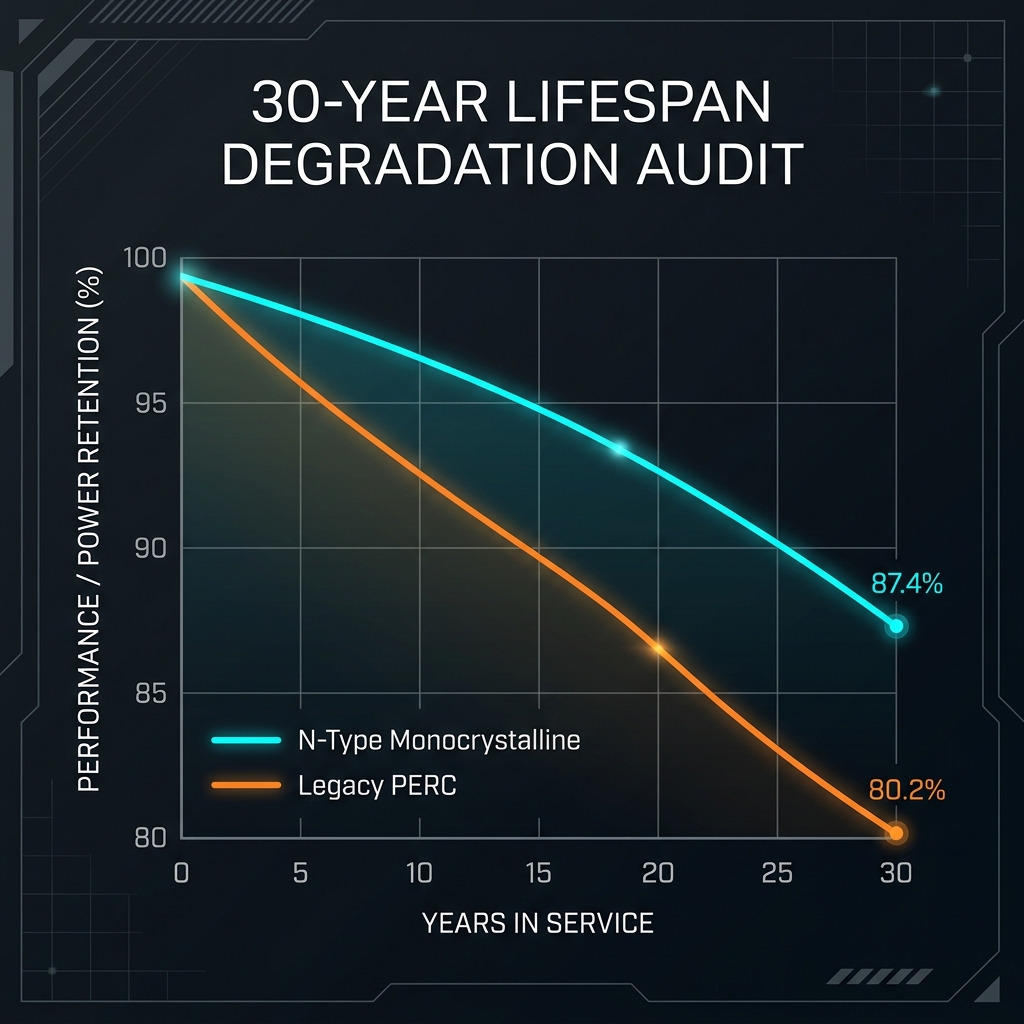
How long do modern 2026 solar panels last?
Modern N-Type monocrystalline solar panels carry 25-to-30-year power production warranties and degrade at roughly 0.25% to 0.40% per year, retaining roughly 88% to 92% of their original output after 25 years.
Get Your Free National Solar Savings Estimate
Compare verified 2026 residential solar installation quotes, 30% Federal ITC eligibility, and zero-down financing options in your area.
Juliet's Final Verdict
"With utility rates climbing 6% to 11% annually across major U.S. corridors, owning your solar generation and LFP storage is the single most effective hedge for household cash flow in 2026."